This Page Is Not Here: The Accidental Folk Art of the 404
The web's broken links have produced a strange little genre of handmade, heartfelt, and deeply weird error pages. A small group of archivists wants to save them before they vanish.
Category
31 articles
The web's broken links have produced a strange little genre of handmade, heartfelt, and deeply weird error pages. A small group of archivists wants to save them before they vanish.

MiniDisc decks, LaserDisc platters, Zip drives, DAT tapes — none of them work reliably, and that's sort of the point. A tour through the formats that refuse to be forgotten, and the repair networks keeping them spinning in 2026.
Somewhere between a book club and a public safety notice, a small volunteer corps reads the terms of service nobody else will — and writes down what it finds. Their annotations are part archive, part alarm system for the corners of the web that never make the news.
Years after the last player logged off, some multiplayer worlds are still humming — staffed by a handful of holdouts who treat an empty map like a porch light left on. We spent time in the phantom lobbies to find out who's still there, and why the companies paying the electric bill won't pull the plug.

The public feed was supposed to be the town square. Instead, the real talking moved to group chats — encrypted, invite-only, and invisible to everyone selling ads. Here's why that migration happened, and why the platforms are so desperate to reverse it.

The backrooms, skinwalker TikToks, analog horror — America's newest folk tales aren't told by one storyteller. They're written by comment sections, edited by strangers, and canonized by consensus. Tracing the campfire to the upload, and asking what happens to a myth when everyone wrote it.
Sped-up edits, TikTok hooks, lo-fi loops on repeat — the clip economy has quietly changed what a generation expects a song to be. This is a case for admitting that 'a song' might not be the unit of music anymore.
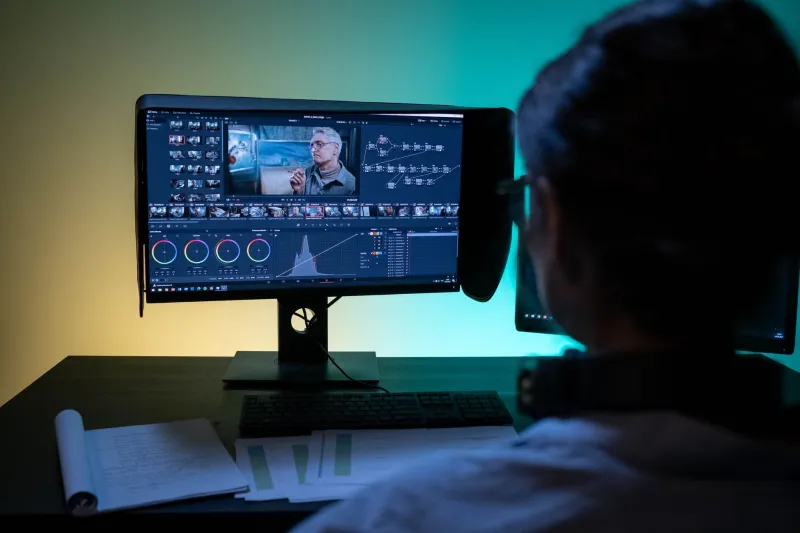
Some fans aren't just watching their favorite creators anymore — they're analyzing them. Frame by frame, tone shift by tone shift, a growing community of devoted followers has quietly become something closer to amateur forensic psychologists. The question is whether that's love, surveillance, or something uncomfortably in between.
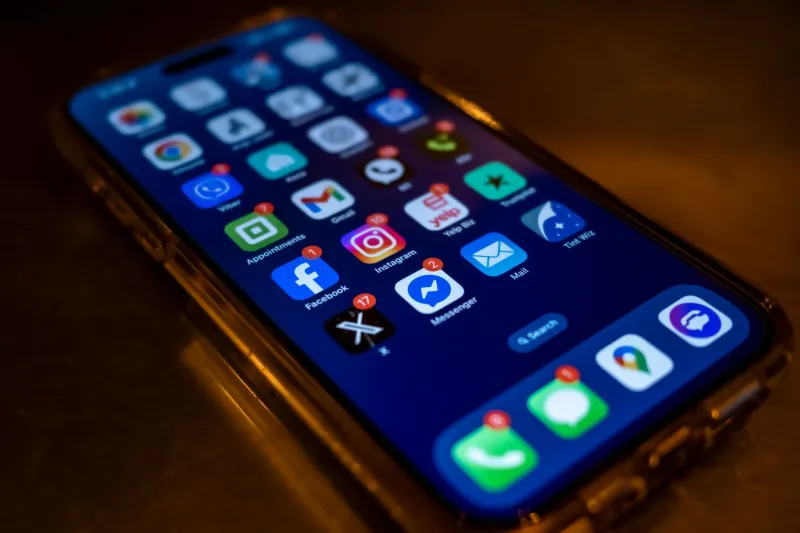
There's a strange thing that happens right when you're mentally checked out — your phone buzzes, a creator goes live, something drops. It feels like coincidence until it keeps happening. This is what's actually going on under the hood.
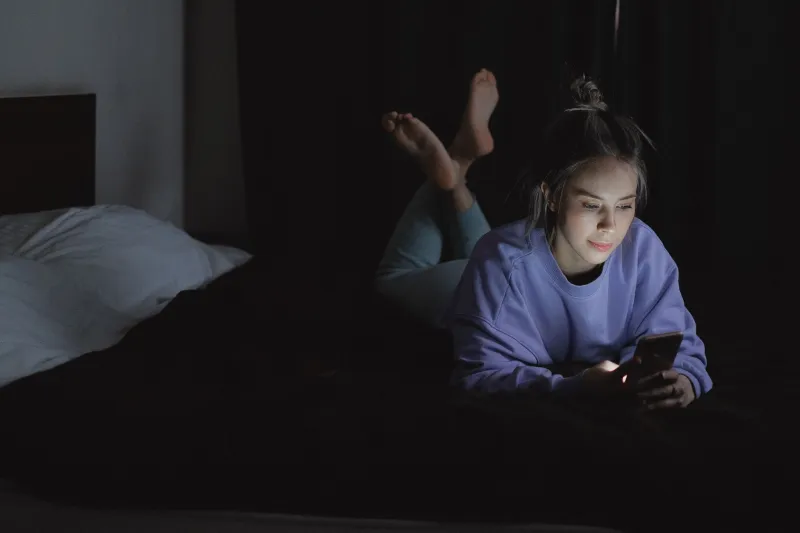
There's a specific feeling — you're bored, checked out, maybe already thinking about deleting the app — and then suddenly your feed hands you exactly what you needed. That's not luck. That might be the platform catching you on your way out.

Subscription tiers, Super Chats, and Patreon pledges have quietly built an economy where fans fund lifestyles they'll never touch. The psychology behind why people spend hundreds monthly on strangers is weirder — and sadder — than the platforms want you to think.

Some fans aren't just watching their favorite creators — they're auditing them. Inside the spreadsheet-wielding communities cataloging every contradiction, timeline slip, and suspicious detail in a creator's public story.
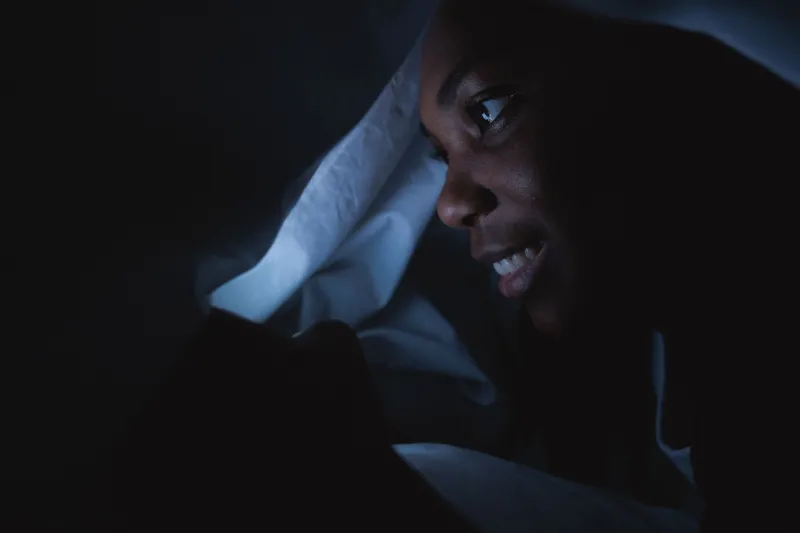
There's a specific kind of disorientation that hits when you realize you know more about a YouTuber's morning routine than you do about your college roommate's job. It's not pathetic. It's engineered. Here's what's actually happening inside that feeling.

Inside creator fandoms, a strange second layer has emerged — one where the most devoted followers are being catalogued, ranked, and quietly surveilled by each other. The parasocial relationship didn't just flip. It multiplied.
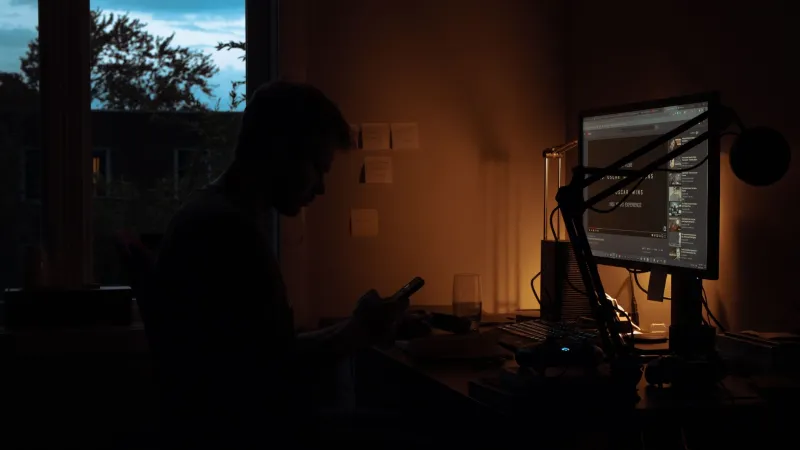
Fans spend thousands of hours consuming a creator's output, cataloging patterns, noticing contradictions, building a mental model so detailed it might actually outpace the creator's own self-knowledge. This isn't delusion — it's a weird byproduct of the attention economy doing exactly what it was designed to do. The question is what that composite portrait actually represents.
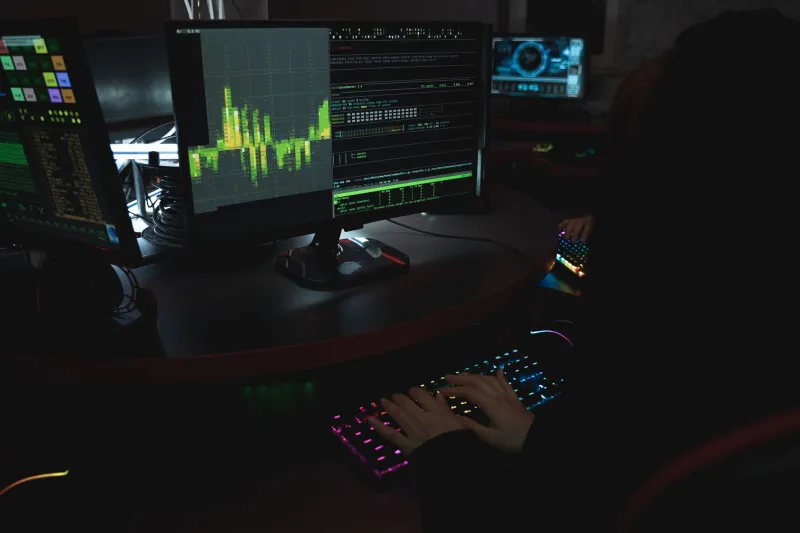
Your favorite creator drops something and it lands exactly where you needed it to. Feels like magic. Feels like they know you. Spoiler: they kind of do — just not the way it feels like they do.
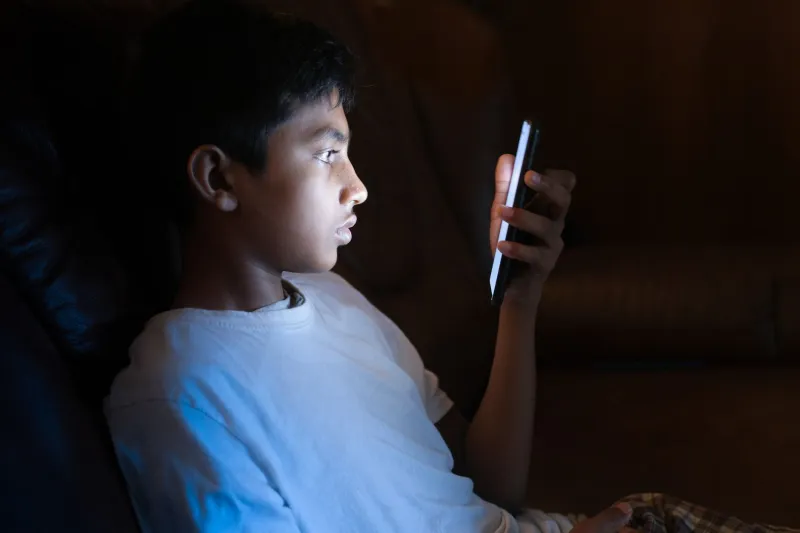
Some creators aren't just accidentally becoming the most important person in your day — they're engineering it. Behind the warm confessionals and the 'I feel like I can tell you guys anything' energy, there's a playbook. And it's working on more people than you'd think.
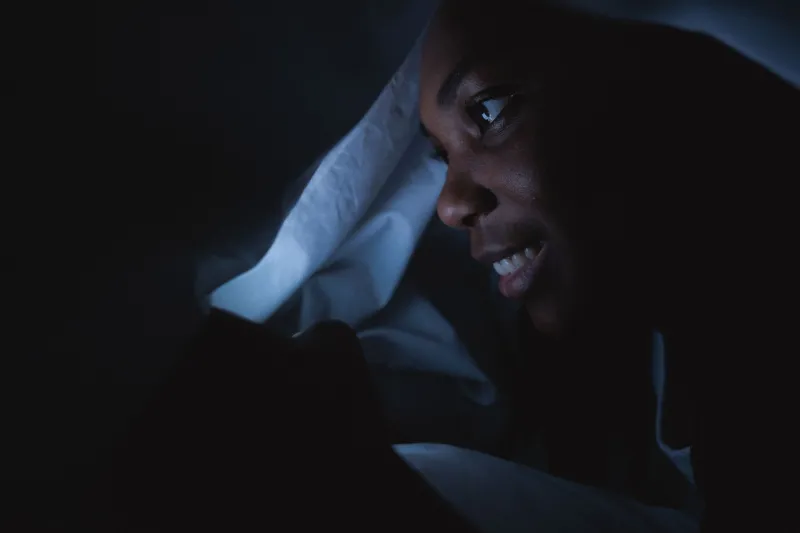
When a creator disappears — or dies, or just stops posting — the pain their audience feels is real, even if the relationship technically wasn't. We dug into the neuroscience and the culture to figure out why your brain doesn't really care about the distinction.

Recommendation algorithms have gotten so good at predicting what you want that the line between helpful and haunting has basically dissolved. When your phone knows you want comfort-food content before you've even processed a bad day, is that personalization — or something closer to control? We looked into the uncomfortable space where curation becomes determinism.
There's a specific kind of chill that runs through you when a streamer says something that feels pointed directly at your chest. It's not quite dread, not quite flattery — it's something in between, and it's happening more often than it used to. Is it the algorithm, the psychology, or something harder to name?
The creator you feel closest to might already be someone else entirely. Algorithms, upload schedules, and the strange math of audience investment mean fans are often bonding with a version of a person that no longer exists. It's not deception — it's just the weird temporal physics of living online.

Certain fan communities have gotten so good at anticipating their favorite creators that it's stopped feeling like guessing. It's something closer to modeling — a distributed, obsessive form of behavioral analysis that's raising uncomfortable questions about how well we actually know people we've never met.

There's a specific kind of vertigo that hits when your favorite creator says something that feels impossibly personal — like they reached through the screen and touched a nerve you didn't know was exposed. It's not magic. It's math. And somehow that makes it weirder.

You've watched them for years, but lately something feels off — not fake, exactly, just engineered. The creator you loved is still posting, still smiling, still saying all the right things, and that might be exactly the problem.
Some fans have spent thousands of hours with a creator's voice in their ears — enough to predict their reactions, finish their sentences, and clock inconsistencies their own families would miss. It's not stalking. It's not delusion. It's something weirder and harder to name.

Creators are rolling out AI versions of themselves for fans to chat with 24/7, and the response has been... complicated. Something about it feels off in a way that's hard to name. Here's why that discomfort isn't just in your head.

Something is deeply wrong with the person on your screen, even if you can't immediately name it. AI deepfakes of real streamers and YouTubers are triggering a psychological response that goes way beyond simple confusion — and it has everything to do with how emotionally entangled we've already become with the originals.
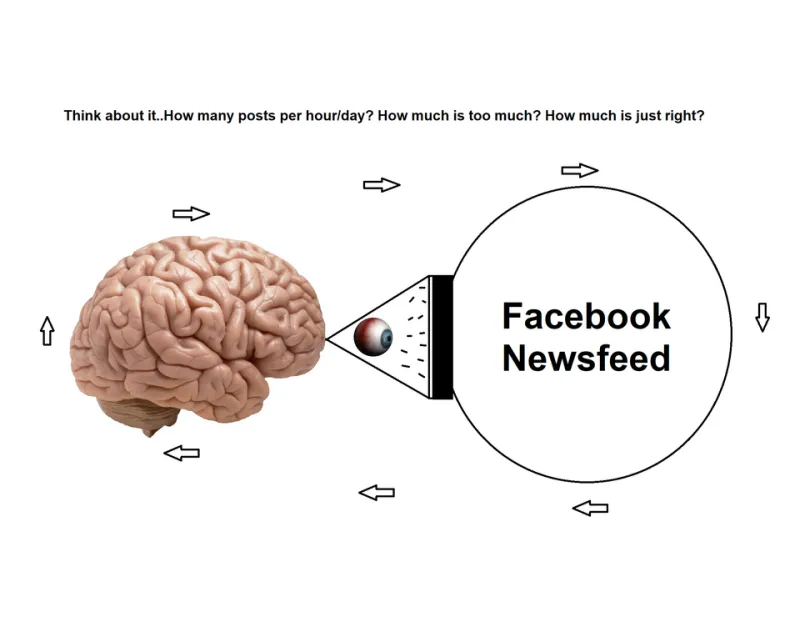
The person you think you know from social media might have changed months ago. Between scheduled posts, algorithmic delays, and content pipelines, there's a growing gap between who public figures actually are and the version of them living rent-free in your head. It's weirder than it sounds — and more common than anyone wants to admit.

When a YouTuber quits or a beloved streamer dies, the internet doesn't just move on — it mourns. Hard. Understanding why that happens says a lot more about us than it does about them.
Parasocial relationships have always been part of entertainment. But something about the livestream format — the real-time chat, the direct address, the daily presence — is pushing those dynamics somewhere older models of fandom never quite reached. And when it breaks, it breaks strange.
AI-generated imagery has gotten technically impressive enough to fool a casual glance, but something in your gut still knows. We dug into why that feeling exists, what it means for creativity, and why the discomfort might actually be the whole point.